Protecting dense occupancy buildings requires an operational transition from surface-level chemical applications to systematic biology-led exclusion. Multi-tenant properties in historic Over-the-Rhine, Walnut Hills,…
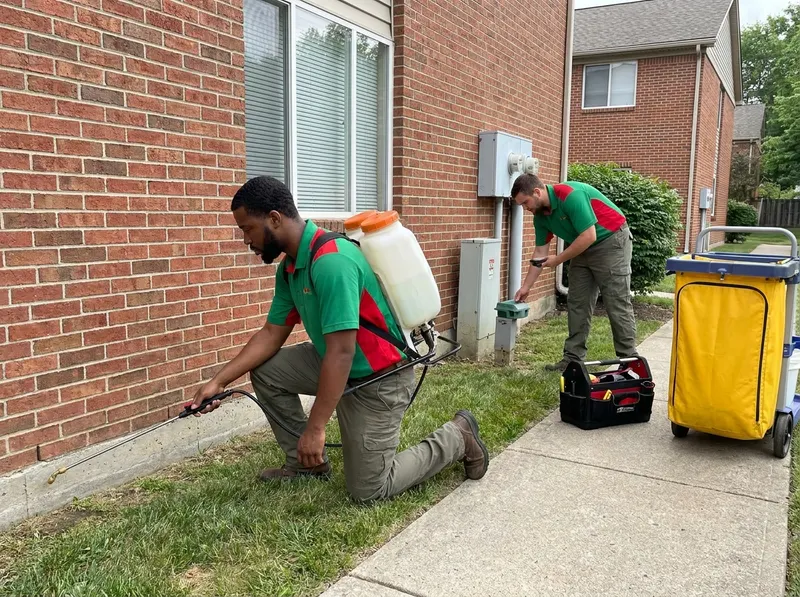
Protecting dense occupancy buildings requires an operational transition from surface-level chemical applications to systematic biology-led exclusion. Multi-tenant properties in historic Over-the-Rhine, Walnut Hills, and Clifton frequently possess connected utility chases, shared plumbing penetrations, and aging brick mortar that allow pests to travel freely between adjoining residences. When an infestation occurs in one unit, treating that single room simply redistributes pests into adjacent living quarters. Standardized integrated pest management establishes long-term control by isolating structural migration pathways, sanitizing structural harborages, and monitoring shared void spaces across whole building wings.
Commercial property managers facing regulatory scrutiny from Hamilton County Public Health must address structural issues directly. Mechanical exclusion seals pipe sweeps with copper mesh and silicone sealants, preventing small rodents from entering. According to the CDC rodent prevention guidelines, openings larger than a quarter inch provide accessible passage for common rodents. Our team inspects every utility breach, loading dock perimeter, and basement foundation sill, adhering to standards from the National Pest Management Association to safeguard high-density housing communities in Northside, Pleasant Ridge, and Westwood.
Commercial environments such as food markets near Findlay Market or retail spaces in Hyde Park and Oakley demand precise non-volatile baiting protocols to maintain indoor air quality and food-contact compliance. Following FDA HACCP sanitation principles and OSHA general industry safety standards, Novera Pest Specialists applies targeted biological interventions within back-of-house utility zones rather than indiscriminate baseboard fogging. This targeted strategy neutralizes German cockroach reservoirs and perimeter fly ingress while maintaining full operational continuity for building occupants.
Step 1 involves an architectural vulnerability assessment that maps pipe paths, crawlspaces, and refuse zones against pest entry data. Step 2 introduces physical exclusion sweeps using heavy-gauge metal wire cloths and commercial-grade door sweeps along exterior perimeters. Step 3 deploys barcoded tamper-resistant monitoring stations regulated under the Ohio Department of Agriculture pesticide regulations. Step 4 utilizes child-conscious insect growth regulators and target-specific micro-encapsulated baits inside wall cavities, meeting ASTM International building barrier guidelines. Step 5 implements routine scheduled audit checks with precise digital logging to ensure commercial properties in Mount Adams and Mount Lookout maintain verified health defenses throughout seasonal population shifts.
Every job gets a firm, written price after an on-site visit.
Tell us about your commercial and multi-family pest defense job in Cincinnati and we'll send a clear, written quote, usually the same day.
 Novera Pest Specialists